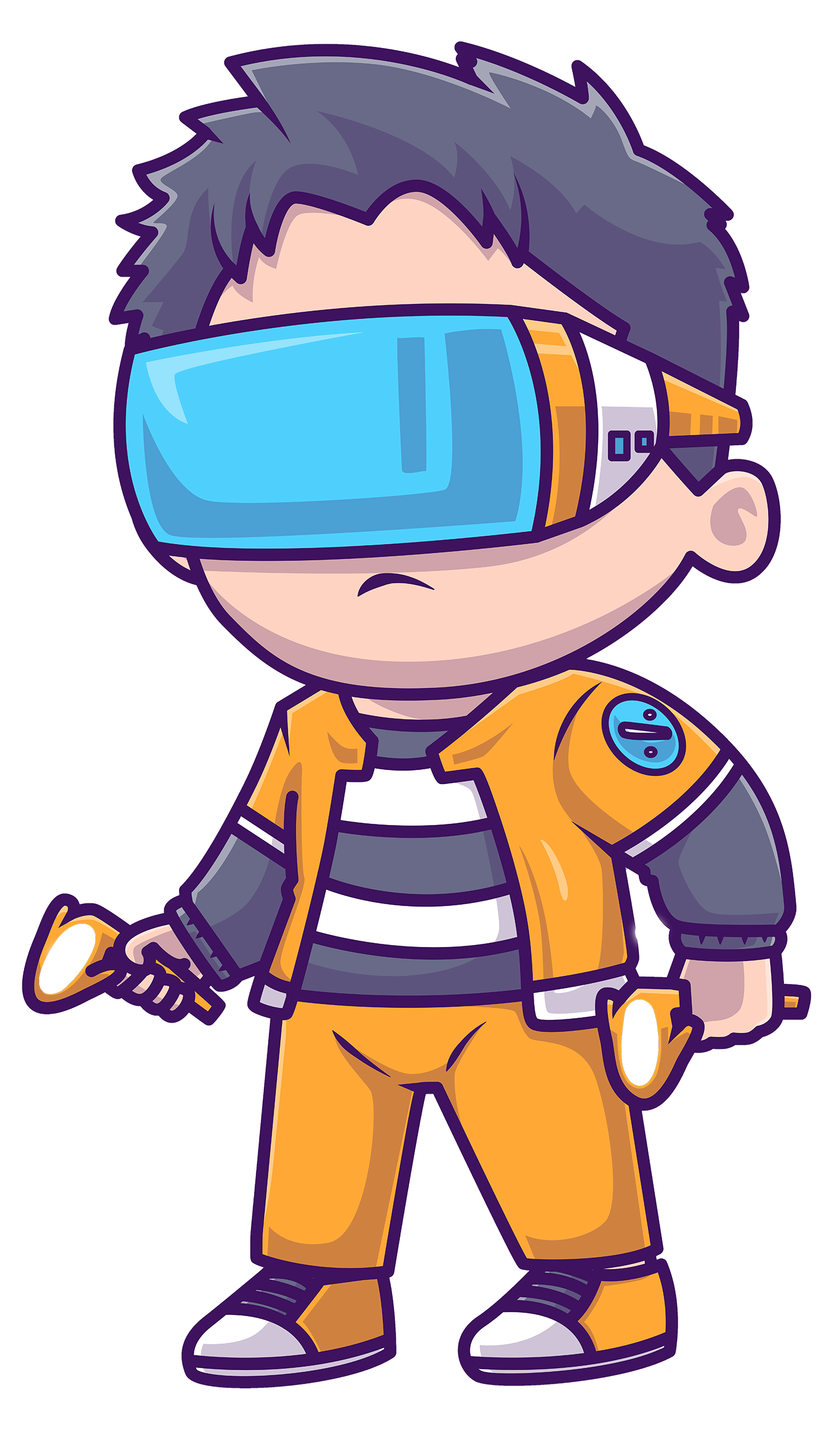
Video game design and comic art share a rich history, often influencing one another in ways that enhance both media. Artists and designers draw inspiration from the dynamic visuals and storytelling techniques found in comic books, resulting in immersive gaming experiences that resonate with players. The integration of comic art elements into video game design has transformed game aesthetics, narrative structures, and character development.
Many modern video games incorporate the bold colors, exaggerated expressions, and unique panel layouts characteristic of comic art. This visual style not only captivates players but also contributes to a more engaging storytelling experience. By blending the artistic techniques of comics with interactive narratives, games can evoke emotions and create deeper connections with audiences.
As players explore vibrant worlds, the influence of comic art is evident in everything from character design to the composition of in-game cutscenes. This synergy between the two forms continues to evolve, pushing the boundaries of creativity and providing players with memorable experiences that reflect the strengths of both media.
Foundations of Comic Art and Its Influence on Video Game Design
Comic art forms a vital foundation for video game design, influencing aesthetics, character development, and storytelling. Comic artists have profoundly shaped visual styles that resonate in modern gaming, creating immersive worlds that reflect popular culture.
Core Elements of Comic Art in Game Aesthetics
The core elements of comic art—such as line work, color palettes, and facial expressions—significantly impact game aesthetics. Bold lines and dynamic poses in graphics echo traditional comic styles, bringing characters to life.
Color choice also plays a critical role. A vibrant palette can evoke emotions similar to those found in comic panels, guiding player responses. The panel layout influences game level design, determining how players receive narrative and engage spatially.
Key visual techniques include exaggeration and caricature, which enhance character recognition. Games like “Cuphead” utilize vintage comic influences to create a unique visual identity while drawing players into their worlds.
Notable Comic Artists and Their Legacy
Several comic artists have left an indelible mark on video game design. Moebius, known for his surreal and intricate art, inspired titles like “Portal” with his imaginative landscapes and character designs. Frank Miller’s stark contrasts and noir style in comics have shaped games like “Max Payne,” emphasizing mood and atmosphere through visual storytelling.
Other influential artists include Jim Lee, whose action-packed visuals find echoes in dynamic gaming franchises. Their works contribute to a blend of storytelling and art that enhances player experiences across various platforms.
Comic Art’s Relationship to Animation
The relationship between comic art and animation further shapes video game design. Comics, often seen as static, share principles with animation, such as timing and pacing. This connection influences gameplay mechanics and character movements. Animators draw heavily from comic panels to create fluid motion, establishing a rhythm that players experience directly.
Moreover, many games adopt a cel-shaded approach, mimicking the look of comics. This technique not only appeals to aesthetics but also enhances storytelling, allowing for expressive character interactions. The synthesis of comic art and animation continues to foster innovation, driving both media forward in popular culture.
Visual Storytelling and Artistic Techniques in Game Design
Video game design utilizes visual storytelling techniques and artistic methods drawn from comic art. These elements are essential for creating immersive narratives and engaging players within interactive environments.
Translating Sequential Art to Interactive Storytelling
Comic art employs sequential images to tell stories through panels. Game design incorporates this approach by employing visual cues and storytelling mechanics that guide player interactions. For example, game designers use triggers, dialogue boxes, and cutscenes to mimic comic panels, enabling seamless narrative flow.
In titles influenced by comics, such as “Batman: Arkham Asylum,” character arcs and plot developments unfold through visual sequences. Players navigate environments much like reading a comic, where every action advances the story. This technique encourages deeper engagement by allowing players to inhabit the roles of their favorite characters.
Color, Perspective, and Composition in Game Worlds
Color and perspective are critical in both comic art and game design. Comics often use bold colors and dynamic perspectives to convey emotion and action. Similarly, game designers craft worlds with specific color palettes that enhance the game’s atmosphere.
In games like “Telltale’s The Walking Dead,” color choices signal emotional undertones, making player decisions feel more impactful. Perspective shifts, from first-person to third-person views, also affect player immersion, providing varied experiences akin to flipping through comic pages. Composition techniques, such as framing and focal points, help guide player attention within vast game environments.
Impact of Superheroes and Science Fiction Themes
Superheroes and science fiction themes dominate both comics and games, driving creative decisions in design. Influences from series like “Akira” and “Star Wars” manifest in character design, world-building, and narrative complexity. These themes often feature exaggerated abilities, advanced technology, and societal implications, fostering unique gameplay experiences.
For instance, games such as “Spider-Man” allow players to embody superhero personas, using elements from comic lore. The environments draw on architectural styles that evoke futuristic or dystopian settings, familiar in sci-fi narratives. Such integrations of comics into game design enhance storytelling by leveraging visual familiarity, allowing players to connect with the material through shared cultural references.
Character Design and the Role of Comic Art in Video Games
Comic art plays a significant role in shaping character design within video games. This influence fosters creativity and innovation, driving developers to create unique and memorable characters that engage players.
Creating Memorable Characters Inspired by Comics
Game developers often draw inspiration from comic art when creating characters. The distinct visual style of comics provides a foundation for designing characters that convey personality through vibrant colors, exaggerated features, and dynamic poses.
For instance, a character’s heroic stance or a villain’s ominous gaze can be magnified through comic-inspired designs. These attributes create more memorable impressions, making it easier for players to connect with characters.
Visual Elements:
- Color Palette: Bold and contrasting colors capture attention.
- Features: Exaggerated facial expressions highlight personality.
- Pose Dynamics: Action-oriented poses enhance character identity.
Innovations from Independent Game Designers
Independent game designers frequently utilize comic art as a source of innovative ideas for character design. They often experiment with unconventional forms and styles that are less bound by mainstream trends. This freedom allows them to craft unique characters that stand out.
For example, games that feature alien characters may incorporate stylized comic visuals that emphasize their otherworldly nature.
Notable Independent Games:
- “Cuphead”: Inspired by 1930s animation and comic art, it showcases distinct characters.
- “Return of the Obra Dinn”: Features a minimalist and stark design aesthetic reminiscent of comic storytelling.
Through these influences, independent designers contribute to the richness and diversity of character design in video games.
Contemporary Examples and Cultural Impact
Current video games draw significant influence from comic art, shaping their visual style and narrative techniques. This intersection of media highlights the dynamic relationship between these art forms and showcases how they impact players and the broader culture.
Case Study: Sable, Shedworks, and Moebius Influences
“Sable,” developed by Shedworks, reflects the aesthetic of French comic artist Moebius. The game’s vibrant landscapes and minimalist design evoke a comic book’s visual flair.
The open-world exploration invites players to experience a unique blend of art and gameplay. Its narrative encourages curiosity, echoing the whimsical storytelling found in comic art.
The influences from Moebius are evident in character design and environmental storytelling, demonstrating how video games can serve as a platform for artistic expression akin to comics.
Other Influential Games and Studios
Several games and studios illustrate the impact of comic art on game design. “Dreams,” by Media Molecule, allows players to create and share their own art-inspired games. Its playful design encourages experimentation, much like avant-garde comics.
Games such as “The Banner Saga” utilize hand-drawn animations that mirror comic book panels. The intricate art style highlights character emotions and plot progression effectively.
In exploring multiple narratives, these games prove that comic art’s influence extends beyond mere visuals to storytelling and player engagement.
Comic Art Influence Across Platforms
Comic art’s influence reaches across various platforms, including PC and consoles. Notable titles on Steam, such as “Transistor” and “Gris,” use comic-inspired visuals to enhance the gameplay experience.
They integrate bold colors and graphic compositions reminiscent of illustrated narratives. This approach appeals to both gamers and comic enthusiasts. The collaborative efforts among indie studios and comic artists foster a vibrant community that thrives on creativity, pushing the boundaries of how stories are told in interactive media.